
E-commerce is thriving like never before in 2025. From small businesses selling handmade crafts to giant online platforms with millions of users, the competition has gotten intense. To get noticed, businesses need more than just attractive products and a decent website. You need clever methods to bring in visitors, boost revenue, and keep customers coming back.
This is where e-commerce growth hacks make a difference. These are clever and creative strategies meant to bring fast and steady growth without spending too much money. In this blog, we’ll cover actionable, effective e-commerce growth hacks that are making an impact this year.
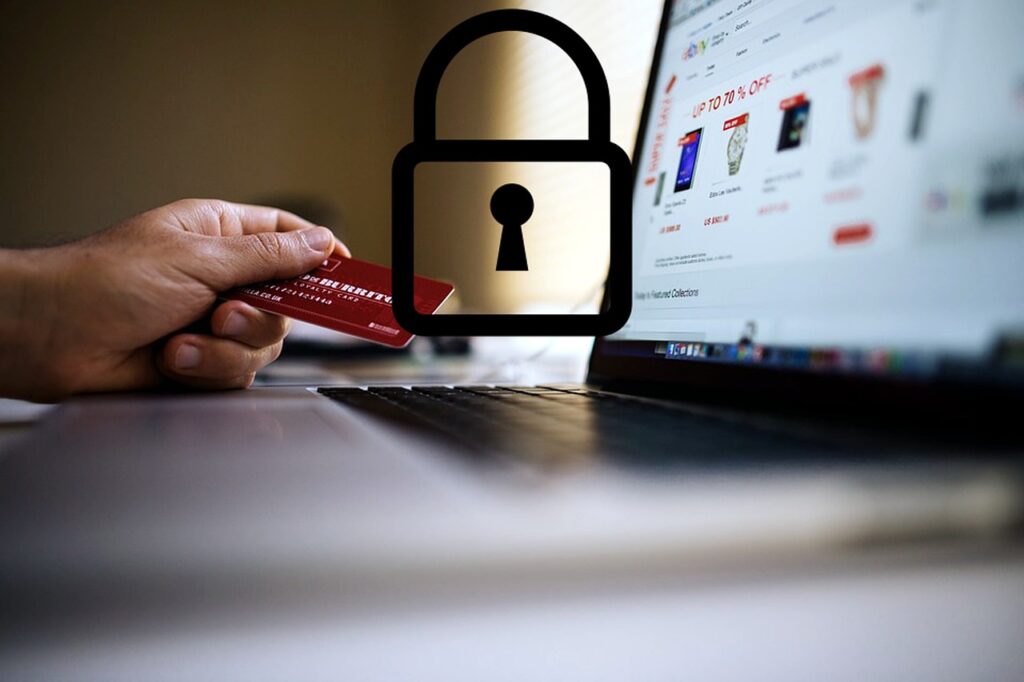
1. Adjust Your Product Pages to Convert Better
The first step to growing an e-commerce business is to focus on turning visitors into buyers. Customers make their final decision on the product page.
A good product page builds trust and shows value right away. Clear titles, quality pictures, and honest details help make it more believable. By 2025, many businesses will already rely on interactive tools like 360-degree views, short videos, and real customer feedback.
Call-to-action buttons must stand out, be clear, and catch attention. Small changes, like saying “Add to Cart – Limited Stock Left,” can create urgency and boost sales.
2. Make Checkouts Easier
Cart abandonment is a big challenge for e-commerce stores. Complicated checkout processes push many customers to leave without buying.
To fix this, you need to make checkout easier. Let people check out as guests, reduce the number of form fields, and provide options to pay using UPI, PayPal, credit cards, or buy-now-pay-later plans.
By 2025, a lot of successful e-commerce brands will rely on one-click checkout systems. These systems make purchases faster and better for users. Fewer steps between looking at products and buying them lead to higher sales.
3. Use Email Marketing Tools
Email marketing is one of the strongest ways to grow an e-commerce business. It’s not about sending out newsletters; it focuses on building stronger customer connections and driving repeat sales.
Using automated email campaigns like welcome messages, cart reminders, or tailored recommendations helps your brand stay fresh in the customer’s mind.
Sometimes, a cart abandonment happens because a customer needs a gentle reminder. Sending a follow-up email, maybe with a small discount, can often close the deal. Thank-you emails after purchase and product suggestions also help grow customer trust and loyalty.
Automating personalized emails not only increases revenue but also helps save time so you can work on growing your business.
4. Use Social Proof to Earn Trust
People trust what other people say. This is why social proof like reviews, customer stories, and user-made content plays a big role in growing e-commerce businesses.
Getting customers to share their thoughts and feedback helps a store appear more reliable. Showing real photos from satisfied buyers builds confidence and helps others picture how the product might fit into their lives.
Social proof works because it makes people feel more certain about their choices. By 2025, companies will not stop at written reviews. They are also using video testimonials and influencer mentions. These act as new versions of word-of-mouth promotion.
5. Be Smart with Upselling and Cross-Selling
One smart way to boost e-commerce growth is by raising the average order value. You can achieve this with upselling and cross-selling strategies instead of chasing new buyers.
Suggest better versions or related products when shoppers add items to their carts. For instance, a customer buying a camera might appreciate suggestions like a lens kit or a memory card.
AI-powered recommendation tools simplify this process by offering tailored options based on what a customer has browsed or purchased.
By 2025, personalization will have a strong influence on customer engagement and repeat purchases. If done, upselling and cross-selling improve the overall shopping journey and increase revenue.
6. Launch Retargeting Ads
Most people do not buy anything during their first visit to a site. Retargeting ads work to bring them back.
E-commerce businesses use platforms like Meta Ads, Google Ads, and TikTok Ads to show ads to people who visited their site but did not buy. These ads remind users of what they looked at. Sometimes they display the same product or highlight a limited-time deal.
Retargeting works well because it goes after warm leads, meaning people already interested in your products. With good frequency limits and eye-catching designs, retargeting ads turn browsers into buyers.
7. Pay Attention to Mobile Commerce
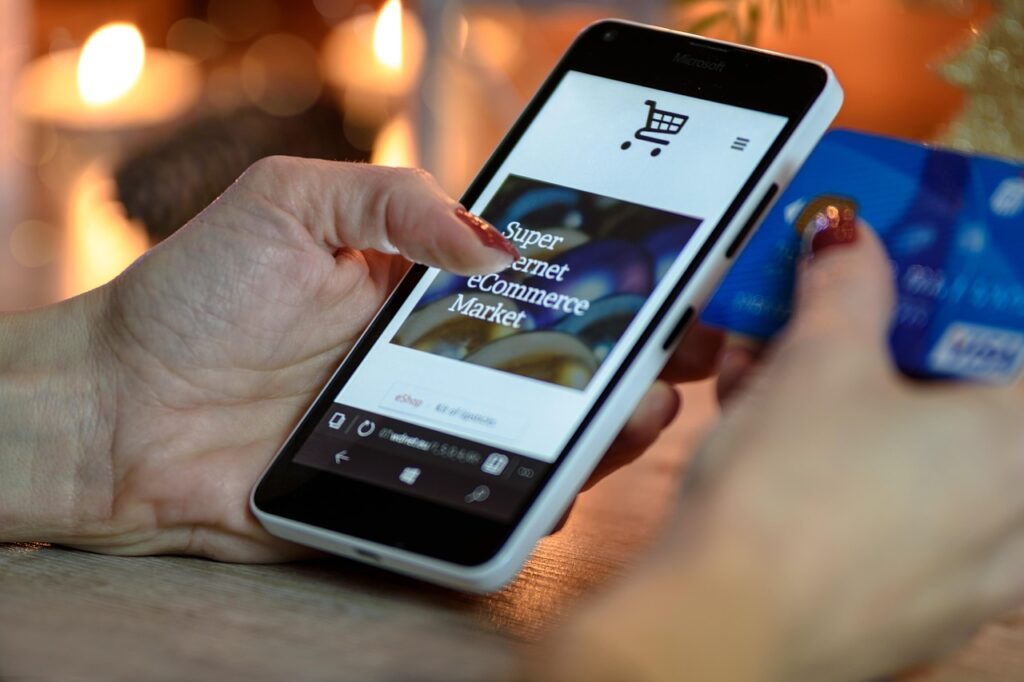
E-Commerce Services Mobile e-commerce, called m-commerce, is growing fast. Experts predict that by 2025, almost 80% of online shopping will take place through smartphones. Stores that are not set up for mobile use miss out on a massive chance.
A mobile-friendly site needs to load fast. It should show products and make navigating simple. Buttons need to be easy to tap. The checkout process should also be quick and hassle-free.
More people are turning to progressive web apps (PWAs). These apps mix website speed with app convenience. Improving your mobile experience can increase sales and make customers happier.
8. Provide Free Shipping and Simple Returns
People enjoy free shipping, but they often leave their carts behind when they see unexpected fees. Try adjusting product prices to include shipping costs or give free shipping when buyers spend over a certain amount.
Trust grows when businesses offer straightforward return options. By 2025, companies that make returns simple and clear will see a boost in loyal customers and repeated sales.
When buyers feel confident that they can return an item without trouble, they are more comfortable completing their purchase.
9. Work With Influencers and Affiliate Marketers
Influencers and affiliates are now key to e-commerce growth. Partnering with smaller, specific influencers allows brands to connect with a focused and actively interested audience.
Micro-influencers create better engagement because they build real trust with their audience. Teaming up with them to promote products, like through reviews or giveaways, helps more people notice your brand and boosts sales.
Affiliate marketing offers another solid strategy. It lets others sell your product in exchange for a small commission. This lets businesses broaden their audience without needing to spend money upfront on ads.
By 2025, leading brands will combine both affiliate and influencer strategies to gain trust and keep sales growing.
10. Use Live Shopping to Connect With Customers
Live shopping is changing the way e-commerce works. It helps businesses talk to their customers, show off products, and respond to questions right away.
Apps like Instagram Live, YouTube Live, and Amazon Live let brands host fun and engaging shopping events that encourage quick buying decisions.
Shoppers value the realness of live sessions. They trust brands more when they engage with them.
Adding live shopping events to your marketing plan can build excitement and drive quick sales.